Why Pet Longevity Is the Next Big Frontier
It’s time we moved beyond the term “pet owner”. Pets are more than companions; they are family, and 93% of U.S. pet households agree. Dogs and cats share our homes, our routines, and even our emotions. Studies show that pet ownership improves human mental and physical health, reducing stress and even increasing physical activity.
In the UK, the average life expectancy for a dog is just over 11 years, while cats live around 14 years. For breeds like Newfoundlands, life expectancy can be as short as 8–10 years, while smaller breeds like Chihuahuas may live 15–17 years, highlighting the bittersweet truth: a lifetime of joy is often followed by a-too-early goodbye.
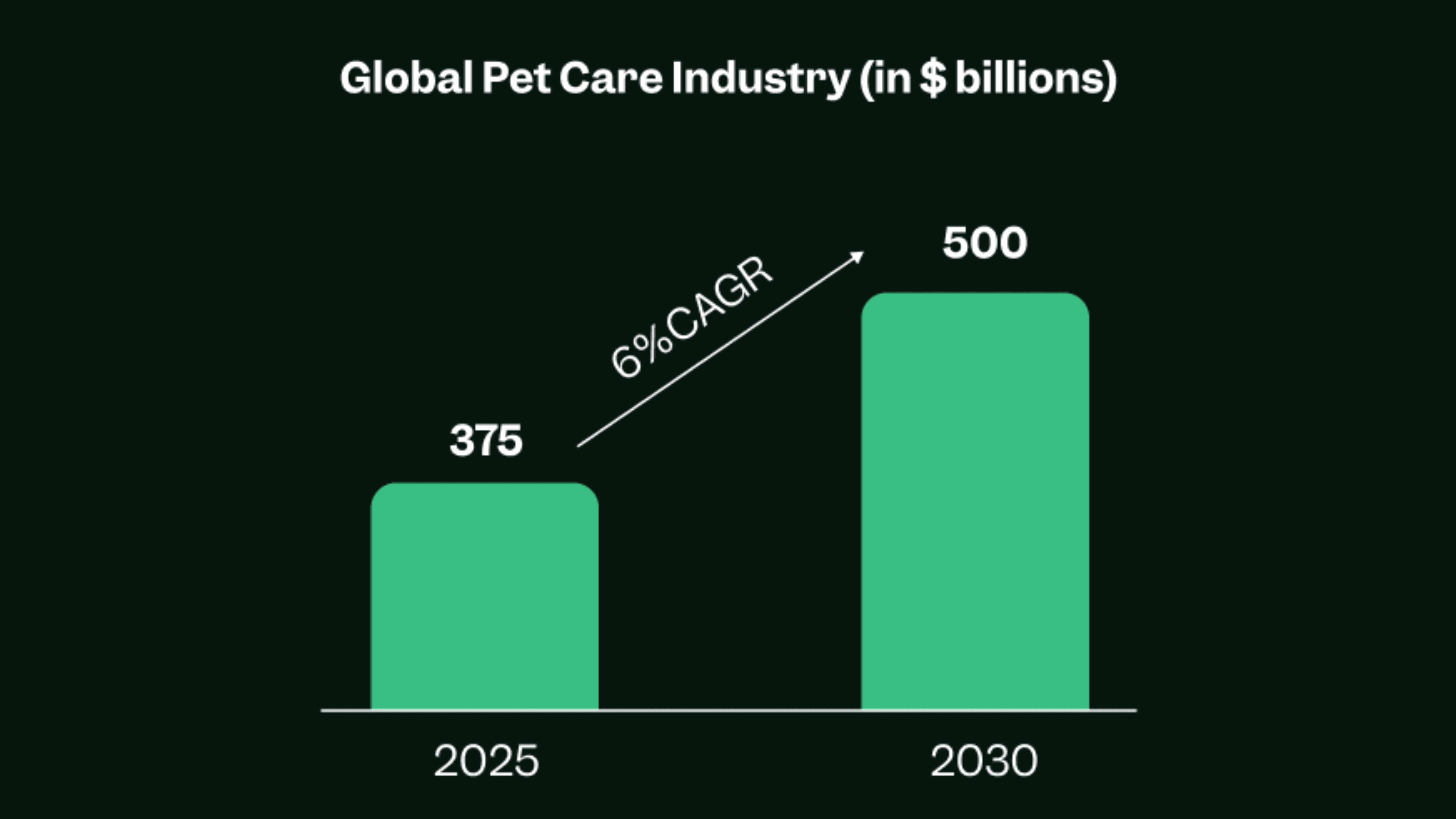
The global pet care industry is projected to surge from about $375 billion in 2025 to over $500 billion by 2030, reflecting a powerful shift toward wellness, healthcare, and longevity-focused solutions.
How Biotech Firms are Exploring Longevity for Dogs
The field of pet longevity is no longer science fiction. Pet longevity research has moved far beyond the realm of science fiction. Scientists are now targeting the biological processes that drive ageing, particularly how cells grow and divide. By focusing on pathways linked to cell growth, they hope to better understand, and ultimately predict, the risk of cancer in certain breeds or types of dogs. Some of these experimental therapies are already moving through regulatory pathways, with applications for FDA approval underway.
Meanwhile, academic projects like the Dog Aging Project are testing rapamycin, a well-known immunosuppressant that has shown lifespan-extending effects in mice. Early trials suggest it may improve heart and cognitive function in dogs, too.
Why Preventive Care is Still the Foundation
While longevity drugs are exciting, experts stress that the basics of preventive care remain essential. Obesity, dental disease, and undetected chronic conditions are leading causes of reduced lifespan in pets. For example, a landmark 14-year study of Labrador retrievers found that dogs fed 25% less lived about 15% longer without adverse effects. Preventive care also now includes advanced diagnostics. Tools like DNA testing, microbiome analysis, and biomarkers (e.g., SDMA for kidney disease) can detect health risks early.
Pet Longevity or Human Longevity
What makes this research especially compelling is its potential crossover to human health. Dogs age faster than we do, but share our environment and develop similar age-related diseases like cancer, kidney disease, and cognitive decline. That makes them better models for ageing research than lab mice. Biogerontologists argue that proving longevity interventions in dogs could accelerate the development of similar therapies for humans.
Why Stryde71 is Watching this Space Closely
At Stryde71, we see pet longevity as more than just an animal health story; It’s part of a broader shift toward preventive, personalised, and translational healthcare. The science emerging from canine ageing studies offers a dual benefit: improving quality of life for millions of pets while unlocking data that could influence human longevity research.
We are always staying on and ahead of these developments, bringing you the latest innovations at the cutting edge of longevity and preventive care. Because the future of health, for pets and people alike, is about living better, for longer.